Accessible Netherlands: A Wheelchair-Friendly Travel Guide
Highlights from The Netherlands, including where to stay and what to do, as well as practical accessibility information from lived experience, and the best places to see those famous tulips and windmills.
Known for being one of the flattest countries on Earth, The Netherlands naturally makes for a fantastic wheelchair accessible holiday destination. It was actually the first overseas country Stephen and I ever visited, so we were really excited to be returning again, now with an additional 9 years of travel experience under our belts.
Planning a Trip to The Netherlands
What’s the Difference Between The Netherlands and Holland?
The Netherlands and Holland are often used interchangeably as the name of the country — But that’s incorrect, and probably something that the lovely Dutch people aren’t too fond of. In simple terms, The Netherlands is the country as a whole, and Holland (made up of North Holland and South Holland) is a specific region within that country. It’s fine to use “Holland” if you’re actually visiting that part, but if not, it would be akin to a tourist visiting The Cotswolds and referring to it as London.
What Language do They Speak in The Netherlands?
The native language in The Netherlands is Dutch. However, a large majority of Dutch people speak better English than we do! I’m a big advocate for at least knowing a few key phrases in the native language of the country you’re visiting, but don’t worry if you’re not fluent, as you will get around just fine. Ahead of our first trip to The Netherlands, Stephen and I brushed up on our Dutch, only to be giggled at every time we tried to speak it. Eventually we asked why it always prompted that response, thinking maybe it was our pronunciation—or god forbid, we’d accidentally learnt a swear word—but apparently our pronunciation was just fine and we were using the correct words. They are just so used to speaking English that it took them aback.
Driving to The Netherlands From the UK
Longtime readers of Adventure Wheels will know that our preferred method of travel is towing our bespoke adapted touring caravan behind us. This may make our journeys longer, but it avoids potential wheelchair damage from airlines (I’ve heard too many horror stories), and means that we have the perfect accommodation for my access needs wherever we end up — Plus the journey can be half the fun!
While we are very happy with long drives by now, the beauty of visiting the Netherlands is that’s it’s really quick and easy to get to from the UK, yet feels excitingly foreign. The biggest hurdle (if I can even call it that) is crossing over to mainland Europe.
Driving to the continent leaves you with two main options: A Ferry or Le Shuttle.
The Best Way to Cross The Channel
There are pros and cons to both a ferry and Le Shuttle, but there is no right or wrong. It’s whatever suits your needs best. A ferry takes longer, but gives you a proper chance to take a break from driving, grab some food and browse the shops.
However, personally, we tend to go for Le Shuttle, as it’s incredibly quick, easy, and accessible. After passing through security you simply drive onto the shell of a train, stay in your vehicle for the duration, then 35 minutes later you emerge in Calais, France.
Taking the Scenic Route
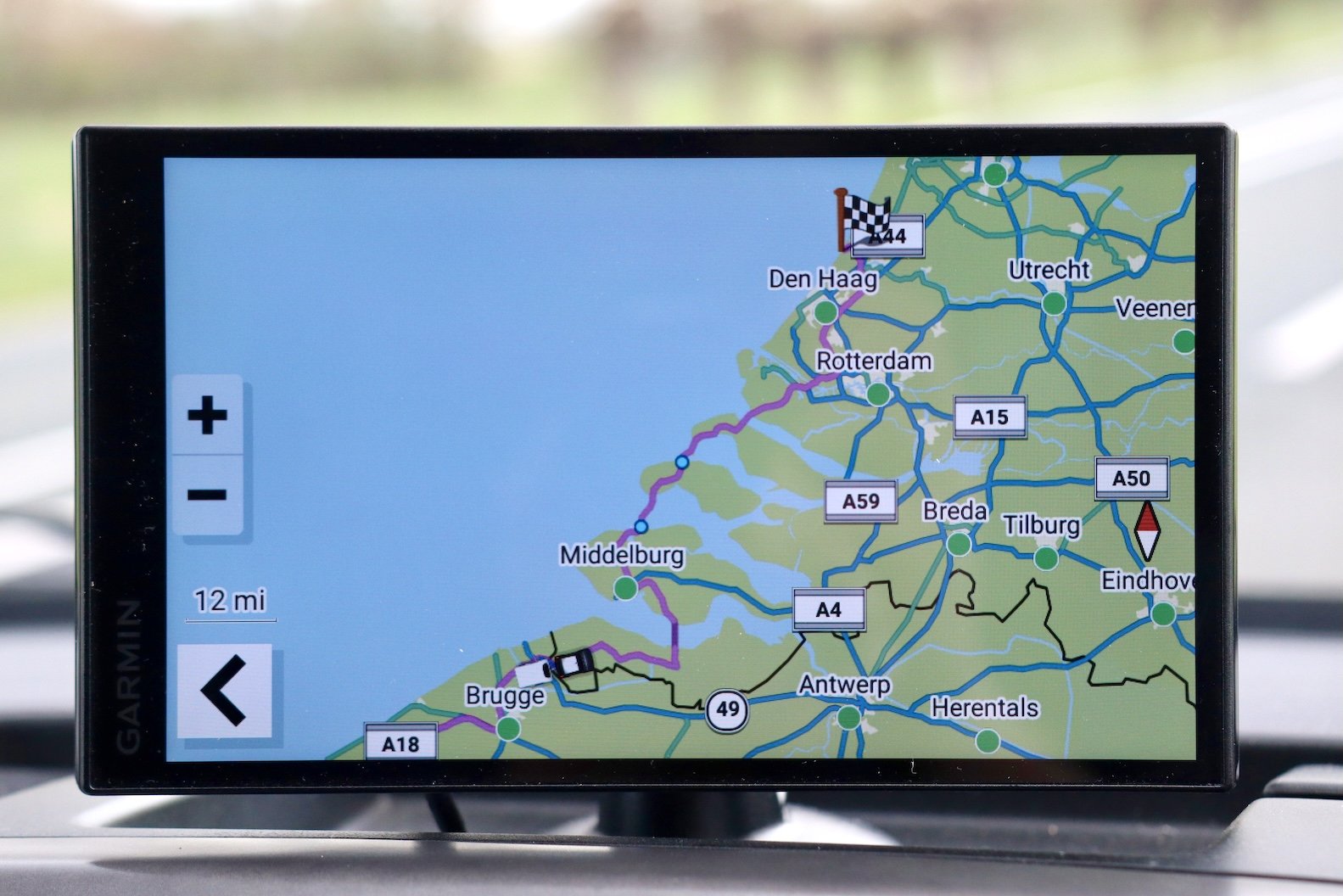
Just a couple of hours after leaving England, we’d caressed the edge of France, passed through Belgium and crossed into The Netherlands, buzzing with excitement to be back. Since there wasn’t much difference in time, we decided to take the scenic route to the campsite, which had two perks – We avoided the dreaded “Antwerp Ring” and took in some coastal views along the way. As we hopped across the land, broken by water inlets, we were fascinated by the network of bridges and storm surge defences. It was a side of The Netherlands we’d never seen before.
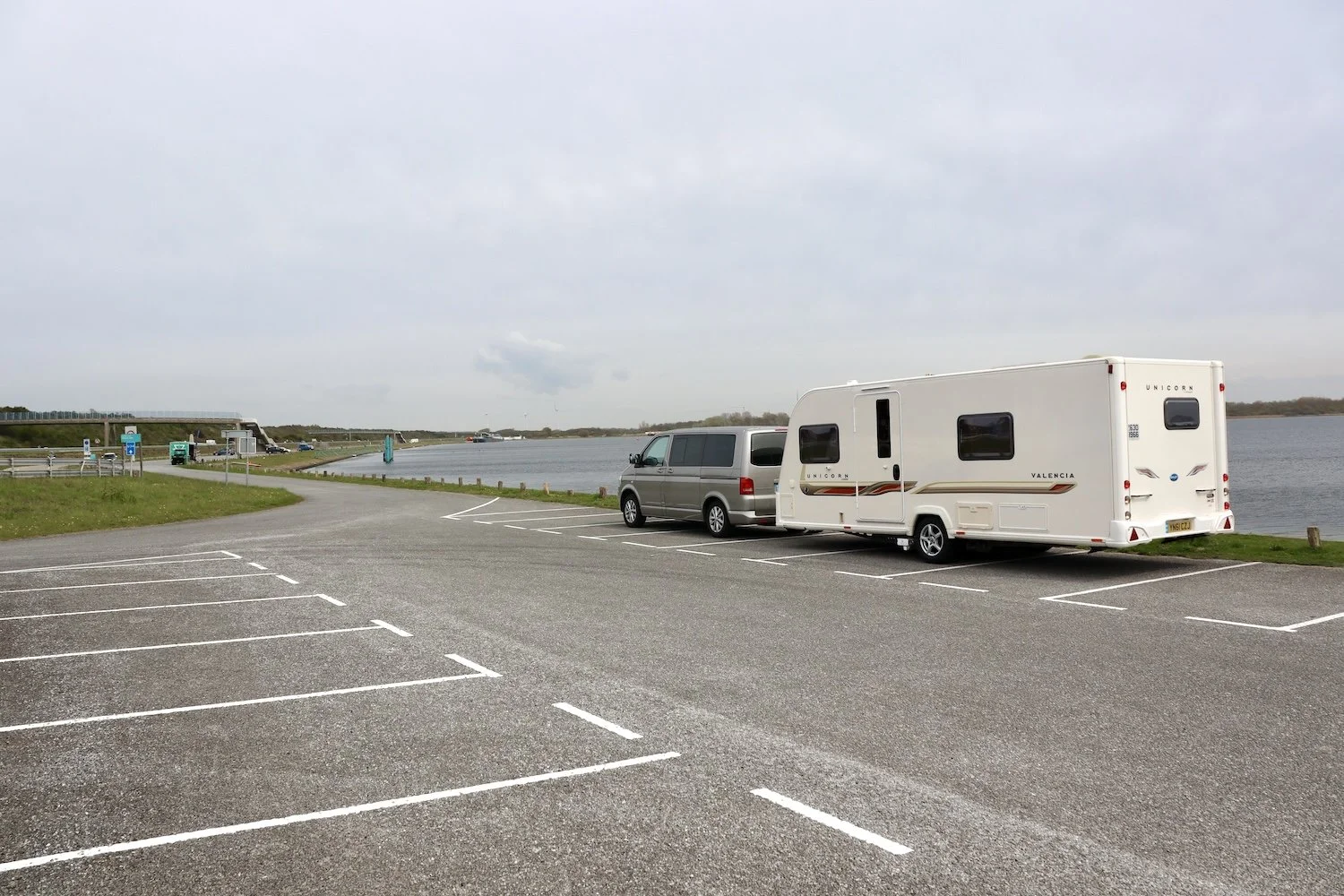
Stopping for a comfort break in a large, waterside car park, we were reminded once again why we love caravanning. Not only did we have a full fridge, coffee making facilities, and an accessible toilet on board, but we could refresh ourselves with a view, before continuing the journey.
Strandcamping Zuidduinen Campsite Review
It wasn’t long before we arrived at our home for the week: Strandcamping Zuiduinnen.
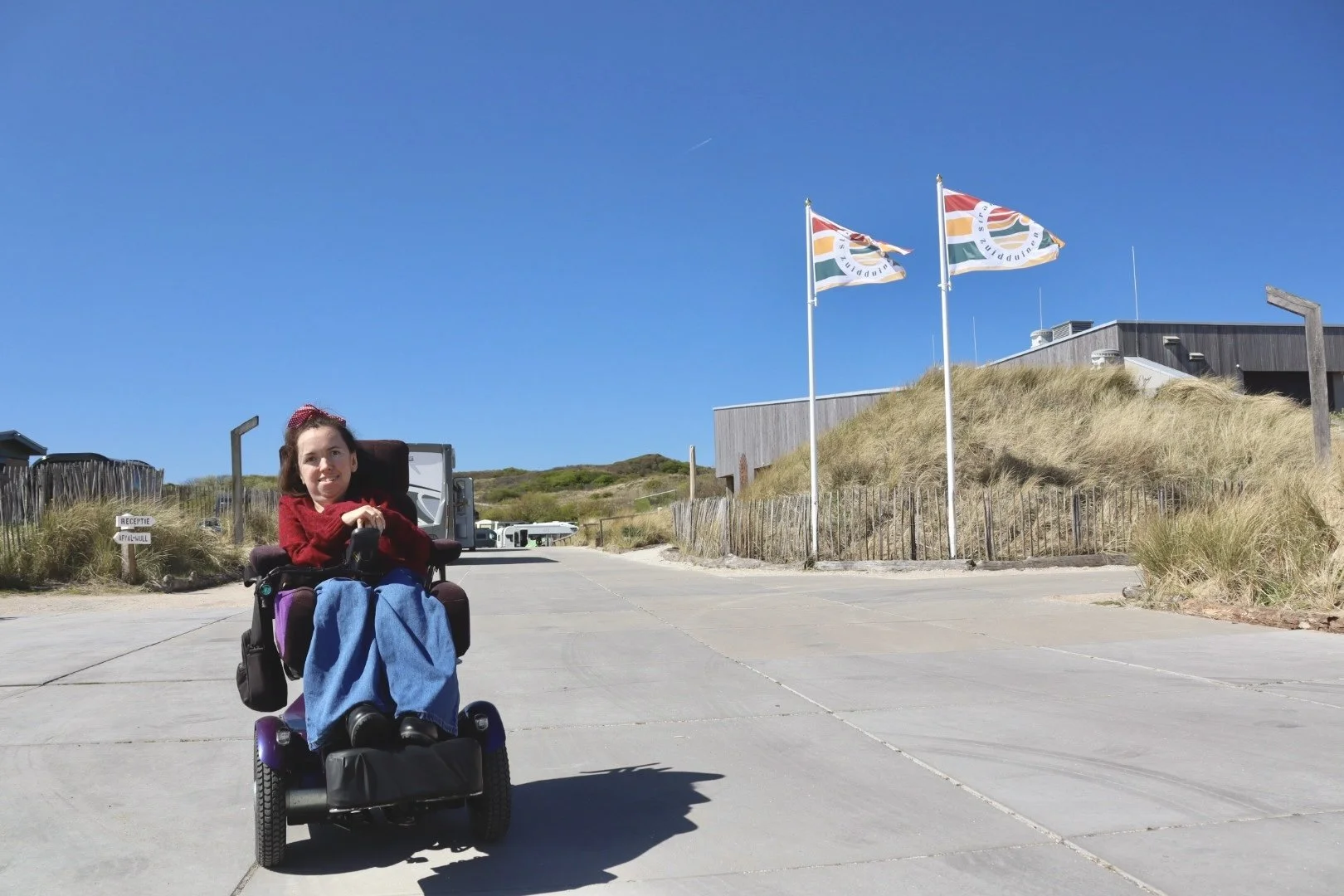
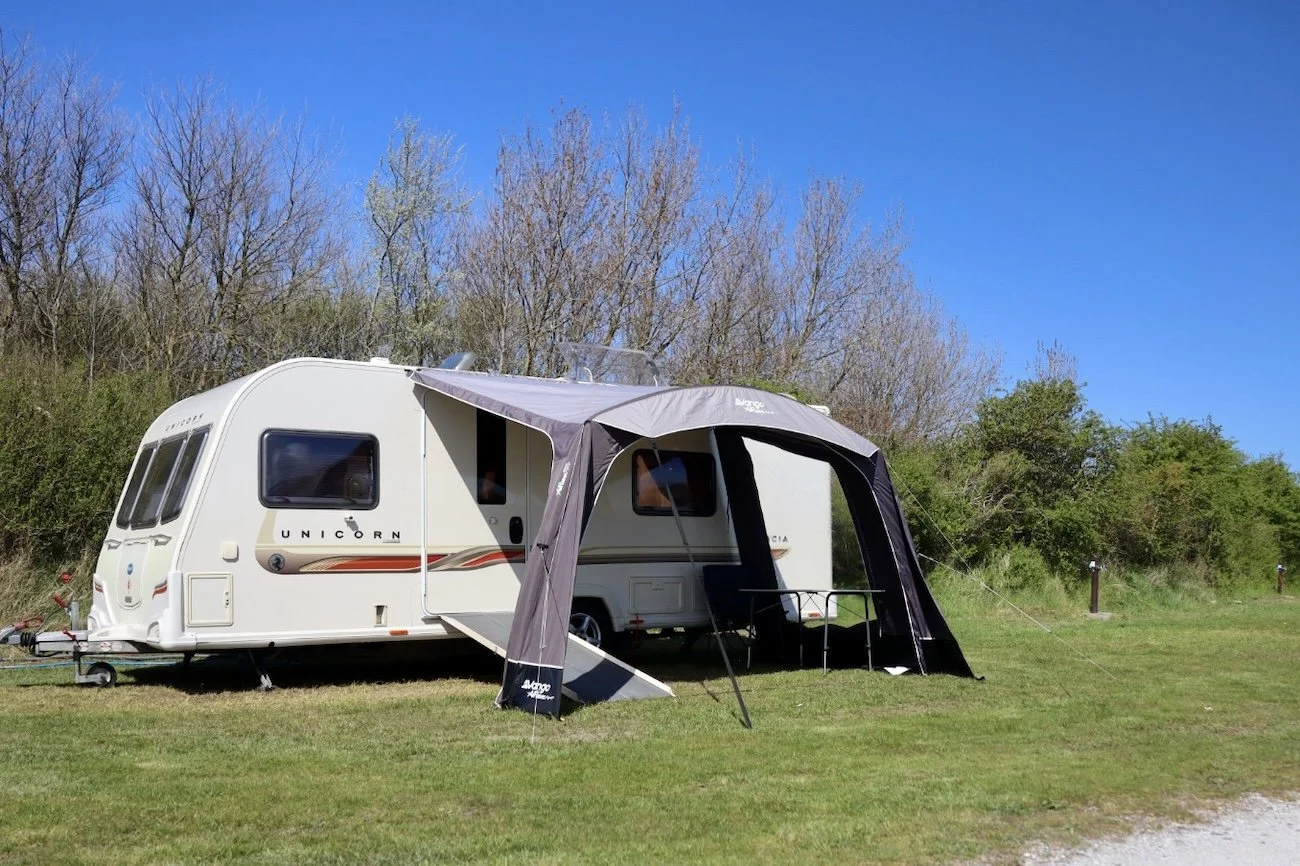
Playing it safe we’d booked a Super Pitch (as campsites in continental Europe have a tendency to be a bit tight), and it was just that – Super! There was ample space for our caravan and ramp, and we had water, waste drainage, and 16 amps of electricity direct to our pitch. The only downside is that, after unloading, everyone has to park their car in the car park at the entrance. This seemed to be the case with most of the Dutch campsites we looked at, and the staff said that Stephen could drop me off/pick me up from our pitch if needed.
It certainly wasn’t enough to put us off, especially given how much we liked everything else about the campsite!
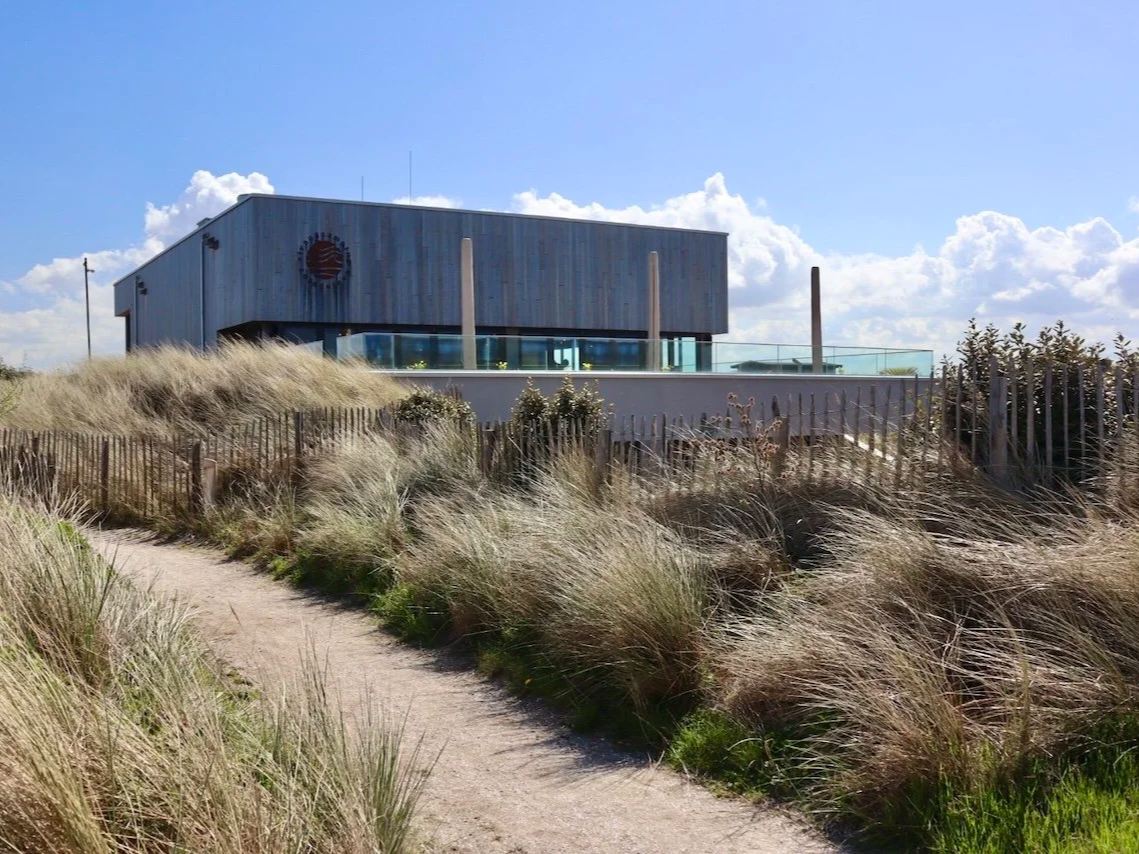
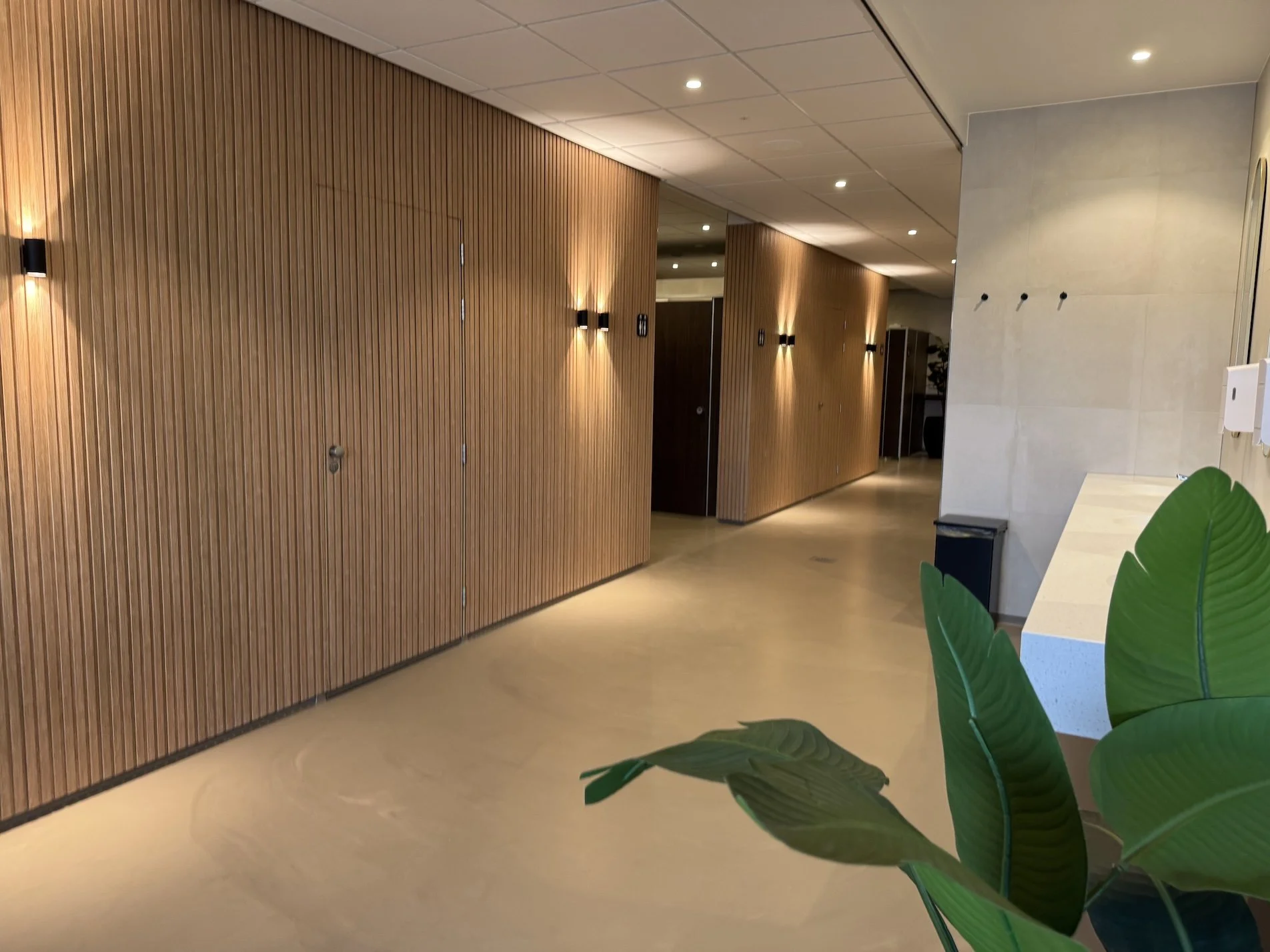
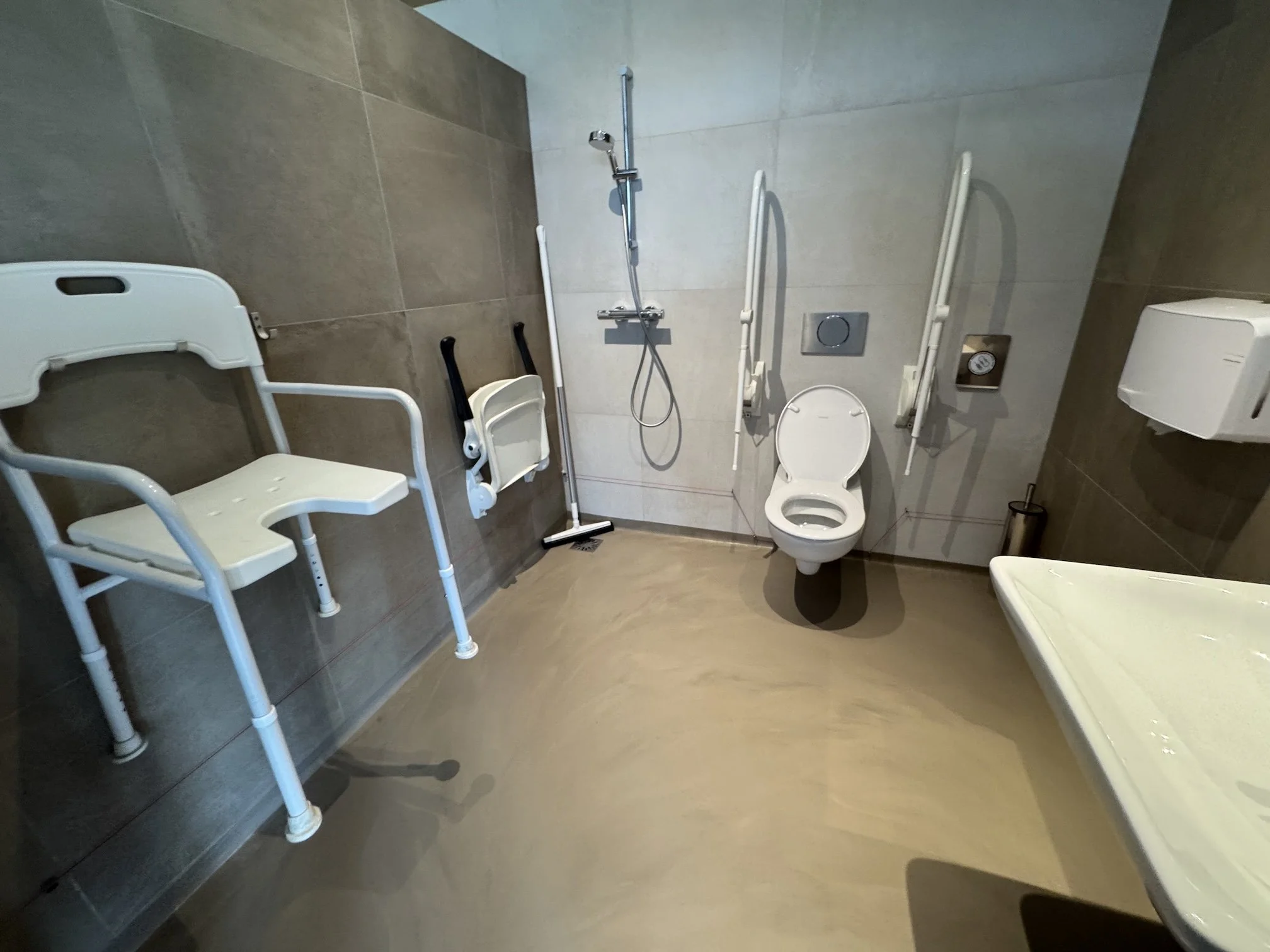
The staff were friendly and helpful, and it had a great restaurant and takeaway trailer, a well-stocked shop, and some of the most beautiful toilet/shower facilities we’ve ever seen (including an accessible wet room). They were modern, warm and exceptionally well maintained.
But our favourite thing about Strandcamping Zuiduinnen is its location, nestled in the sand dunes of a nature reserve, on the edge of Katwijk aan Zee – A picturesque seaside resort town. It was a tranquil oasis with echoes of birdsong, while being just a short walk/cycle from the beach, shops and restaurants. The perfect base to explore from.
Wheelchair Accessible Things to do in The Netherlands
Enjoy the Cycling Lanes
For most people, The Netherlands’ famous cycling network is simply a convenient way to get from A to B. But for me, it was an absolute joy to discover. Not only are these lanes basically everywhere, making getting around super easy, but they tend to be as smooth as butter too — A wheelchair users dream! Coming from the UK, where our pavements resemble the surface of the moon, I couldn’t resist going full speed the second my wheels hit the tarmac. It was a rare experience for me, and extremely freeing — less so for Stephen, as he power-walked to keep up. Next time he’ll bring his bike!
With such great infrastructure in place, it’s no surprise that there are more bicycles than people in the country.
Note: Take caution when travelling on cycle lanes, as cyclists often go at lightening speeds. And like driving on a road, make sure you keep to the right side.
Visit One of the Many Accessible Beaches
To our delight, there was a cycle lane conveniently running along the back of the campsite, which led directly into the seaside resort town of Katwijk aan Zee. After just a 3-minute walk, we were greeted by a wide, golden beach, backed by grassy dunes and dotted by restaurants and bars with atmospheric, festoon lighting and outdoor seating. Despite us being there during low season, and there being very few people around, it had a fantastic, holiday vibe.
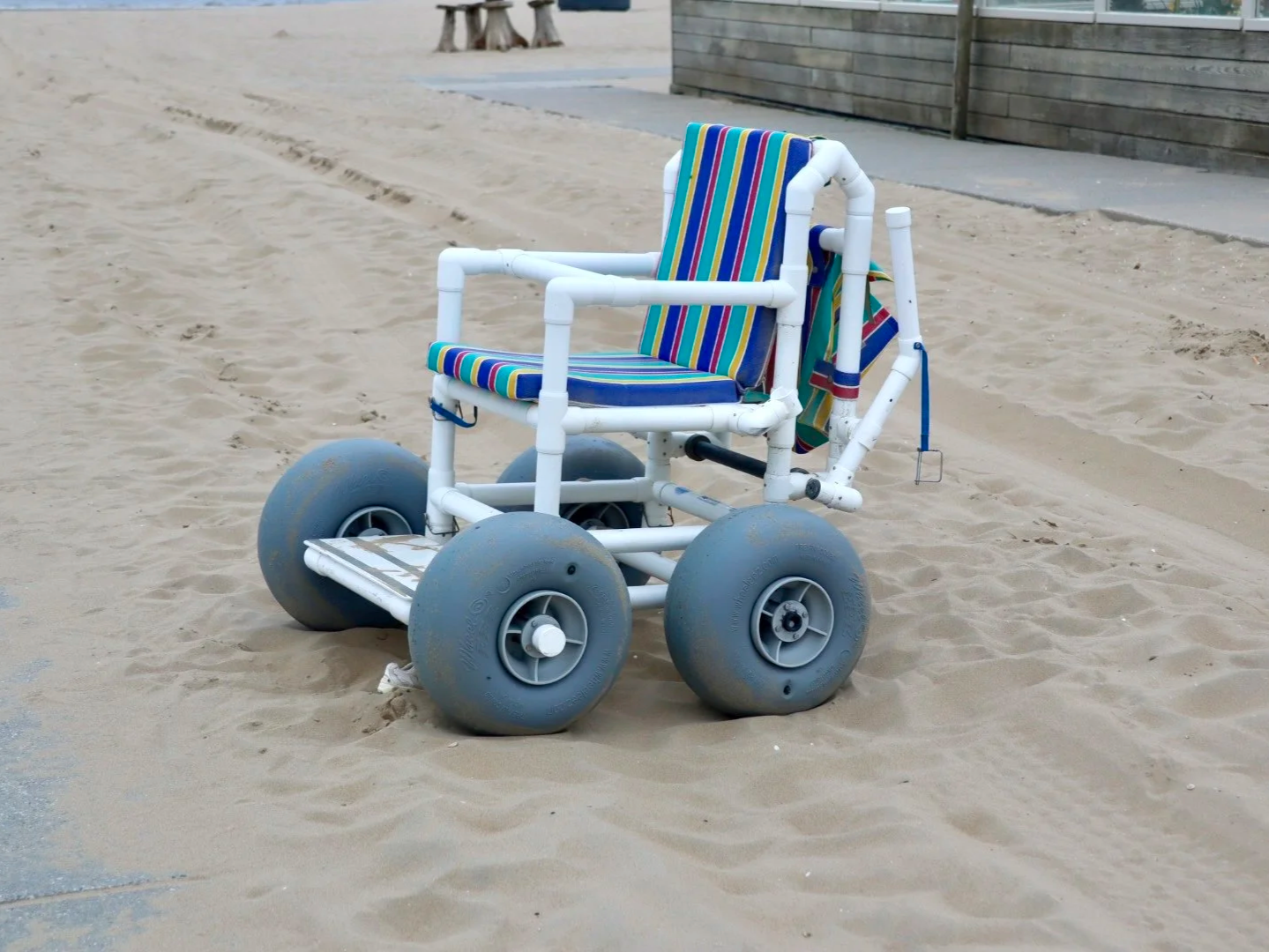
After our initial awe at the view, we noticed a concrete path going right down onto the sand, ideal for wheelchair users. But not only that — There was also a specialist beach wheelchair available to borrow. It’s so refreshing to have such accessibility built into a beach, and we headed straight down to watch the sun set.
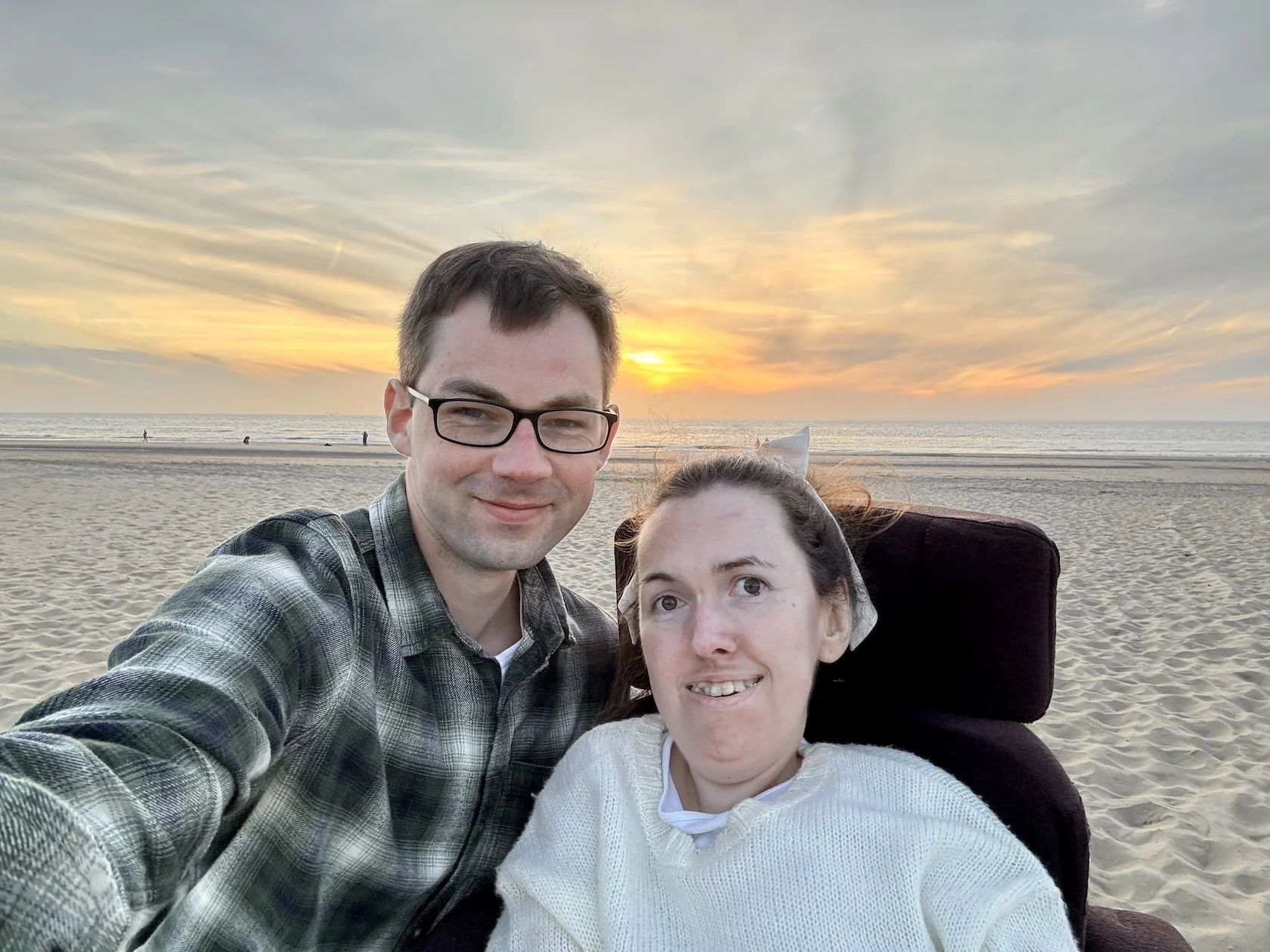
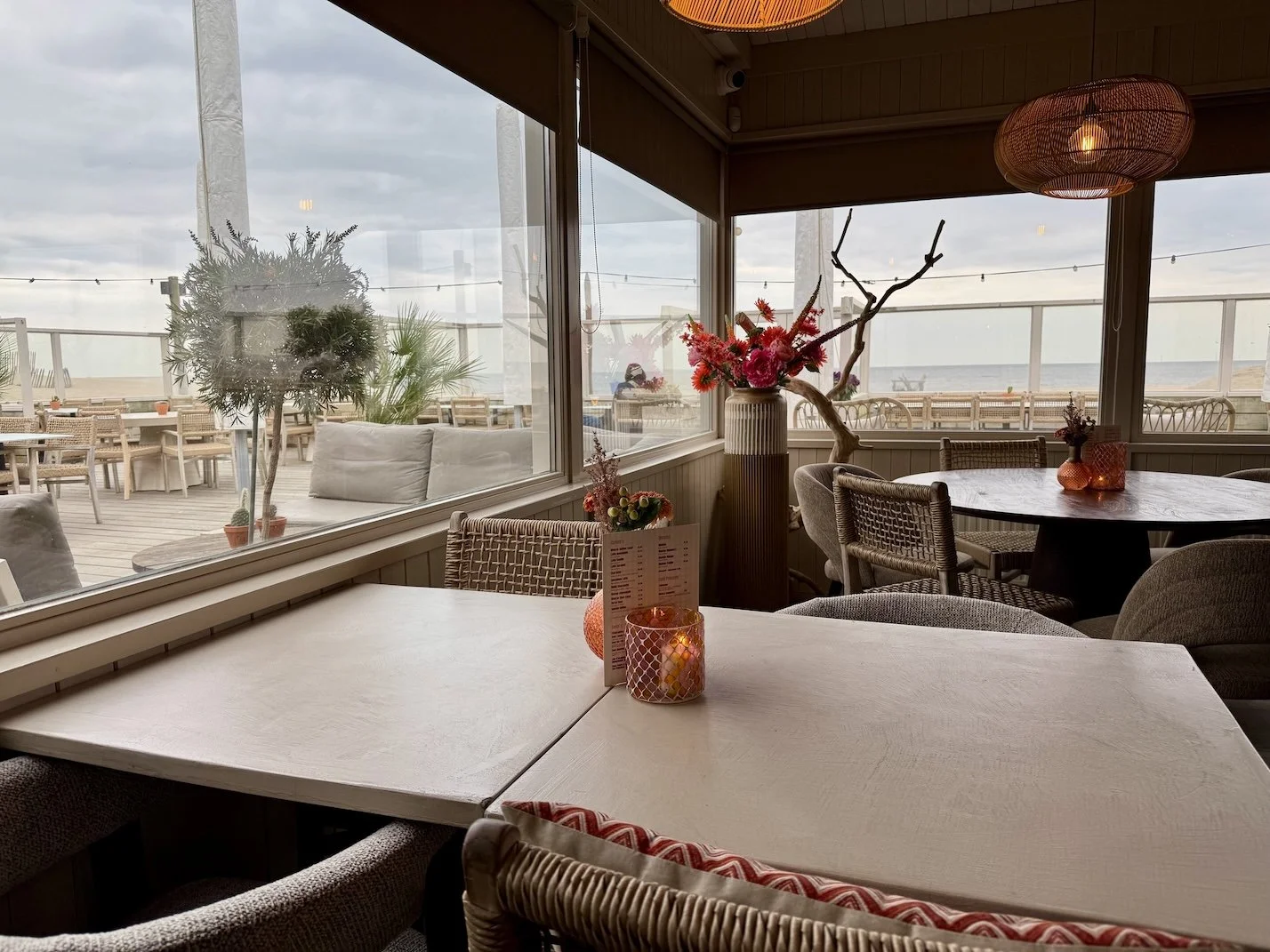
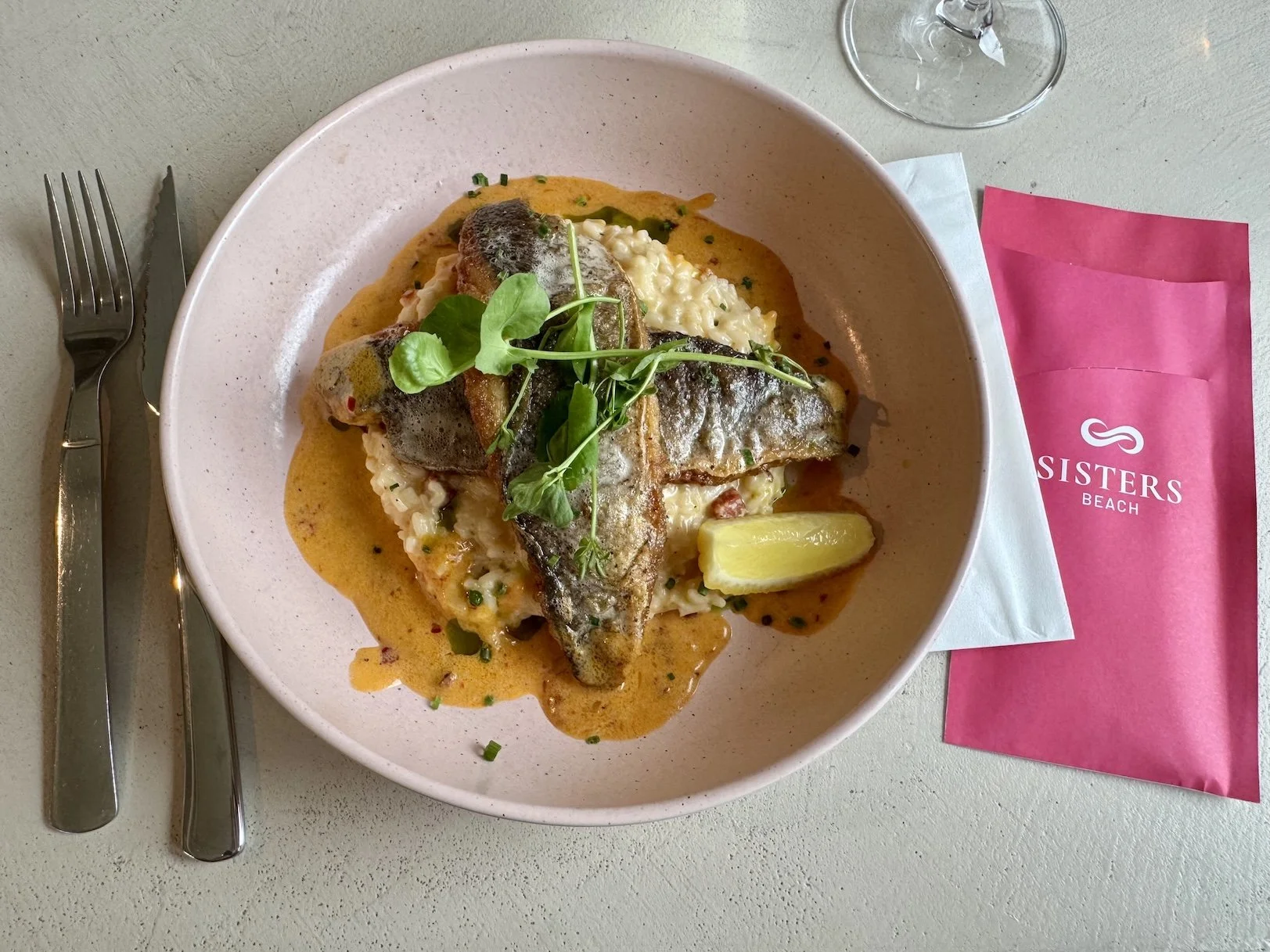
This became our nightly routine throughout our trip — Sometimes stopping for dinner in the Sisters Beach restaurant (highly recommend!), but always ending our days on the beach, watching the sun go down. That’s the beauty of camping in such a location.
But if you’re not staying within cycling/walking distance, don’t worry, as there’s lots of parking all along the seafront, including an underground car park buried beneath the dunes.
And it’s not just Katwijk aan Zee — There are beach resorts like this all along the Dutch coastline. Many of which have the same relaxed vibe, beachfront restaurants, and concrete paths across the sand.
We never really think of beaches when we picture The Netherlands, but there are some real hidden gems, and they’re not to be missed.
See the Best Tulips in Holland
One of the reasons we chose to visit The Netherlands in the spring, was to witness the “tulip season” it’s known worldwide for. Tulips have long been one of my favourite flowers, so I was particularly excited about this!
As such a symbol of Dutch culture, there are many ways to enjoy these vibrantly coloured flowers.
The best place to head is Bollenstreek—otherwise known as the bulb region—where, from March to May, you’ll find tulips galore. Just driving/cycling around the area, you’ll pass countless farmers fields filled with colourful stripes. There are many places to stop and enjoy these, and perhaps go for a walk or bike ride, but if you’re after something a bit more immersive, there are numerous tulip-centred attractions, where you can spend an hour or two, or fill an entire day.
The biggest is Keukenhof — often referred to as the garden of Europe. And with good reason! These immaculate gardens span 79 acres, and are beautifully landscaped with a staggering 7 million springtime flowers, from hyacinths and daffodils, to the star attraction, tulips.
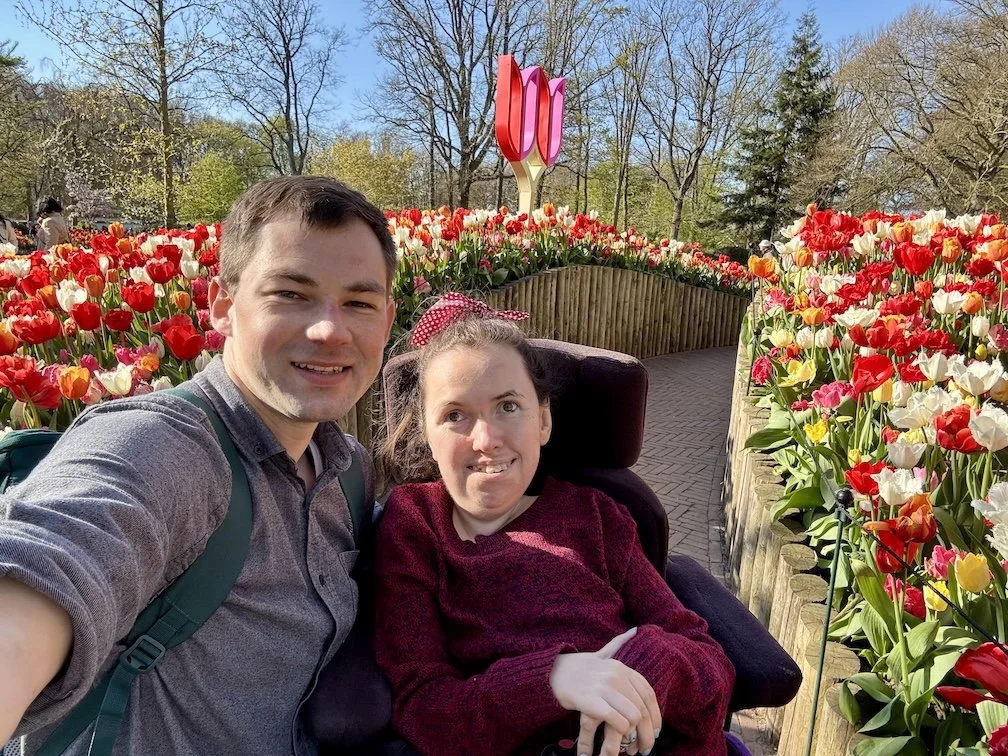
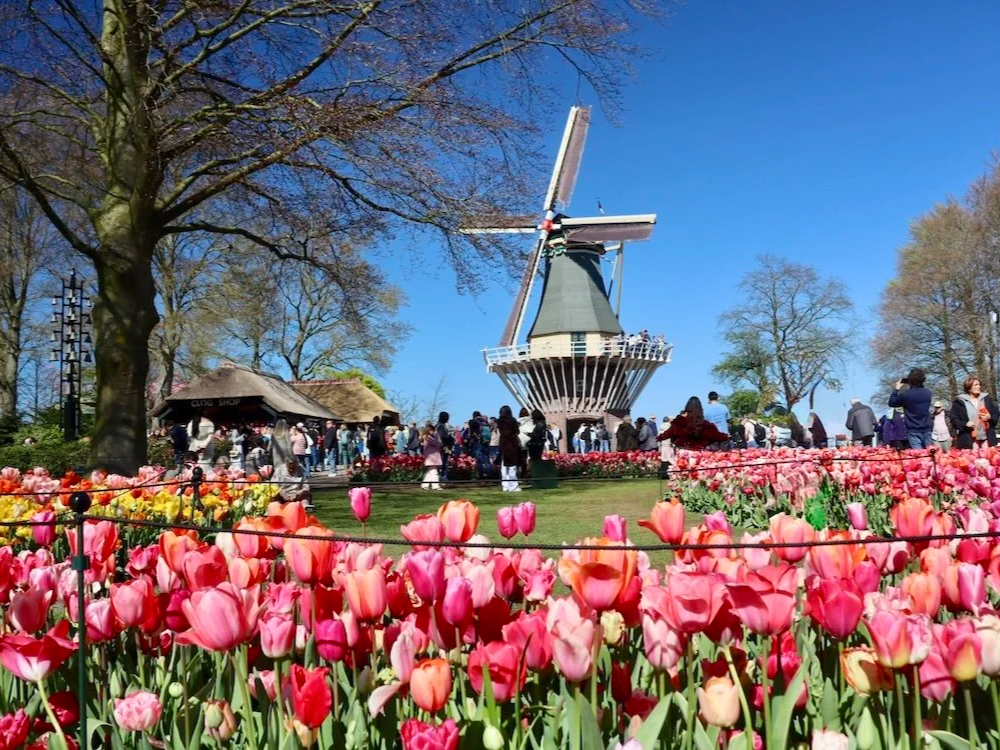
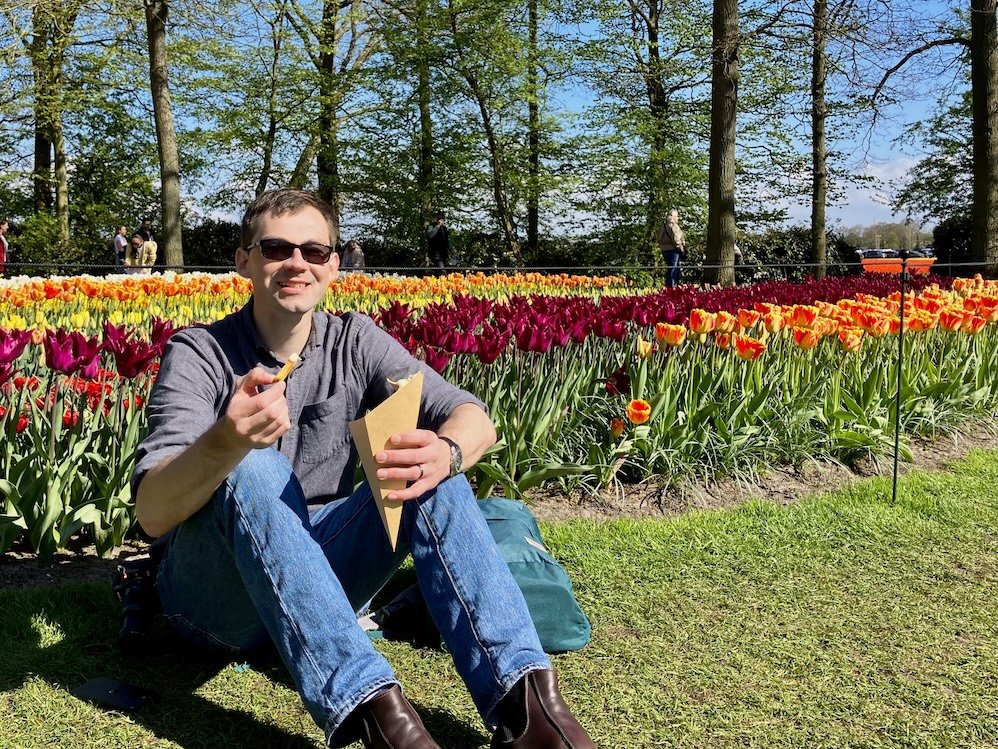
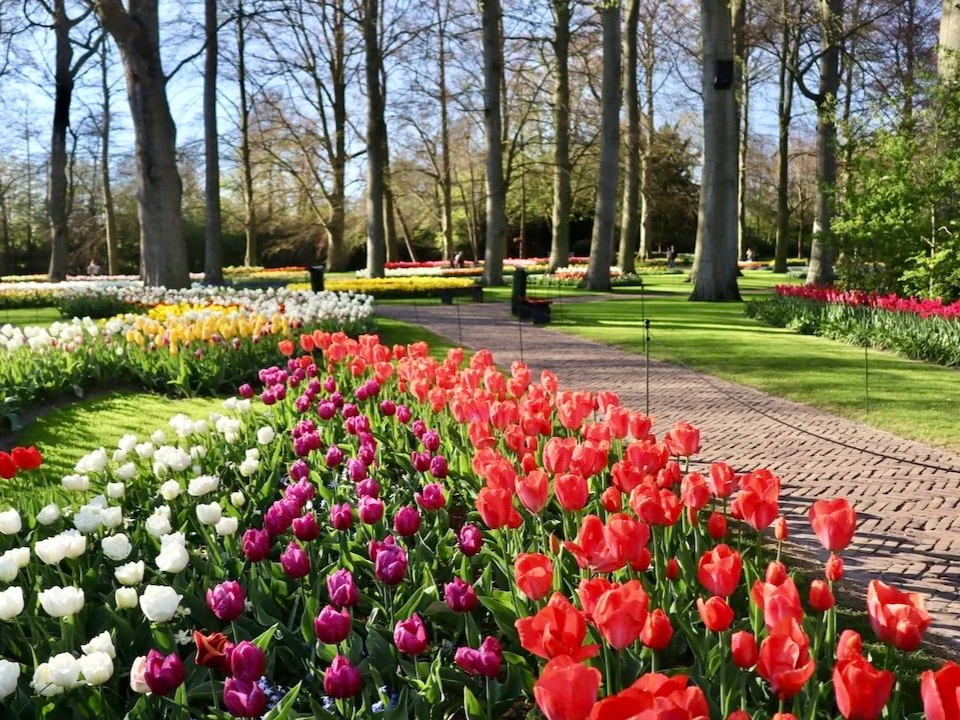
The delicate scent of flowers hit us as soon as we opened the car doors, and gently drifted around with us around for the 5 hours we spent there. In that time we saw some of the most spectacular displays imaginable. Rainbows of colour swept through the gardens, looking just as impressive from afar as they did up close!
But it’s not just tulips you can tick off your Holland bingo card at Keukenhof. There you can also see a traditional windmill, lots of clogs, and try some Dutch delicacies. We stopped for frites (chips, typically covered in a sauce and served in a paper cone), and enjoying them on the lawn surrounded by beauty in the warmth of the sun, was a highlight of our day.
Visiting Keukenhof Gardens in a Wheelchair
While accessibility information on the Keukenhof website is very limited, I was pleasantly surprised by how easily we managed. There are two large car parks on site, which are very well managed by attendants, who, upon being flashed my Blue Badge, directed us to the available spaces closest to the entrance.
From there we went straight to the ticket kiosk, where accompanying carers can pick up a free ticket. We found the staff extremely friendly and helpful, and we were given a map and shown where all 9—yes, 9—of the accessible toilets are located.
Getting around Keukenhof is easy as, while it’s a large site, it’s mostly flat, with just a few gentle inclines. If you struggle walking long distances, there are plenty of benches to stop at, and you can also borrow a wheelchair for your visit. You will cover a couple of miles if you want to see everything, so powerchair users — Make sure your batteries are fully charged!
Top Tip: Only being open for less than 8 weeks a year, Keukenhof can get very busy every day, but especially on weekends. For a quieter time, visit on weekdays (avoiding public holidays), either before 10:30am or after 4:00pm
Catch a Flower Parade
With flowers being of great cultural significance in The Netherlands, it probably won’t surprise you that there are numerous dedicated parades throughout the year to celebrate. These are known as bloemencorso’s. There are some dotted through the summer and autumn, but the biggest event happens in the spring — Bloemencorso Bollenstreek. This happened to coincide with our trip, and was taking place in the bulb region nearby. It was just a happy coincidence, but one that we wanted to make the most of!
Where to Watch the Bloemencorso Bollenstreek Parade
Bloemencorso Bollenstreek is a full day, 26 mile parade, running from Noordwijk aan Zee (9am) to Haarlem (10pm). It passes through many towns on route, so you can catch it wherever suits you best.
After a bit of deliberation, we decided to head to the pretty little town of Hillegom, parking at the train station on the outskirts and strolling for 20 minutes along a dreamy cycle path to the town centre.
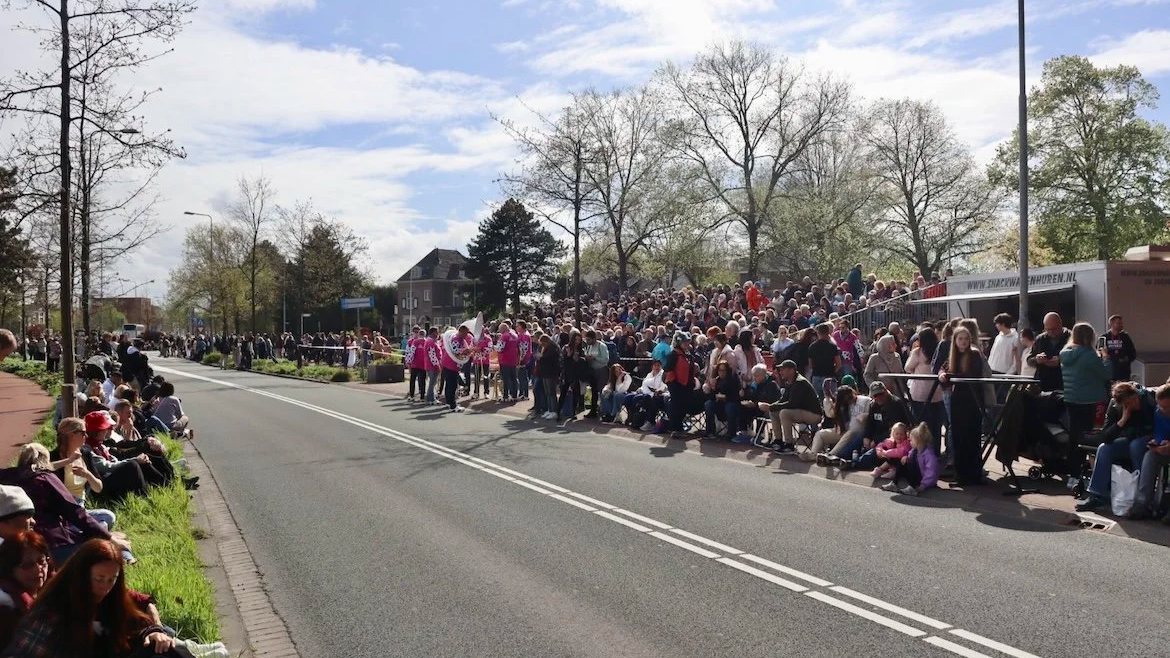
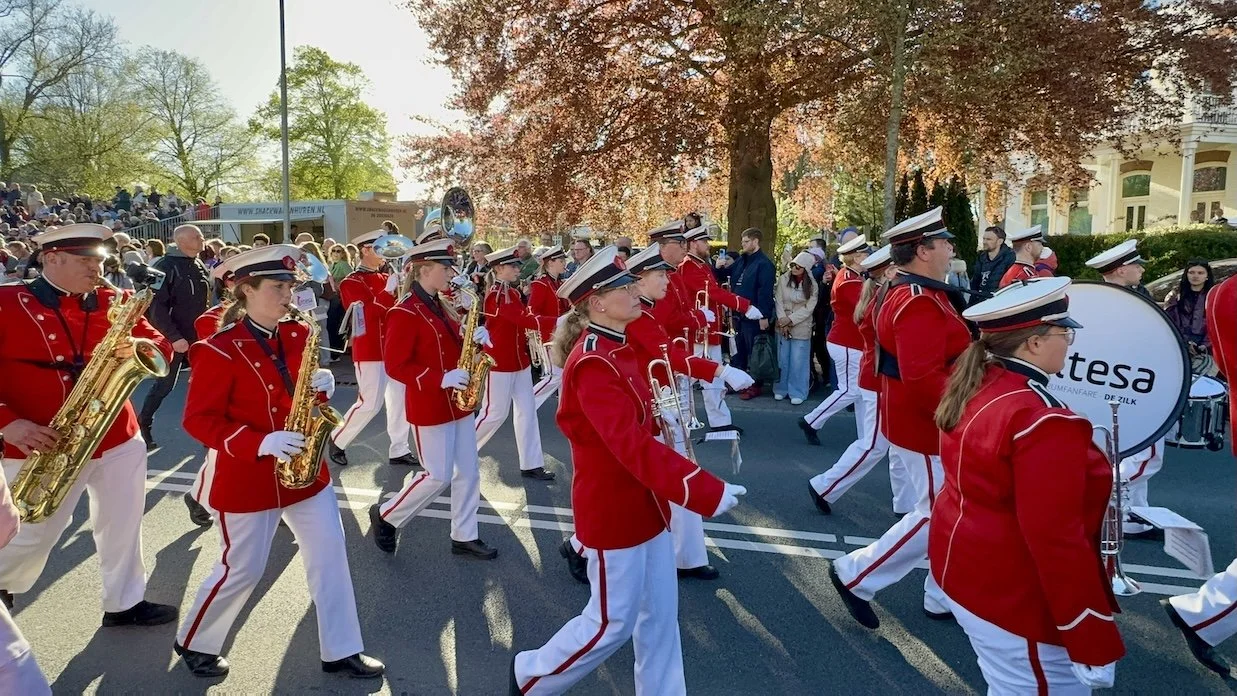
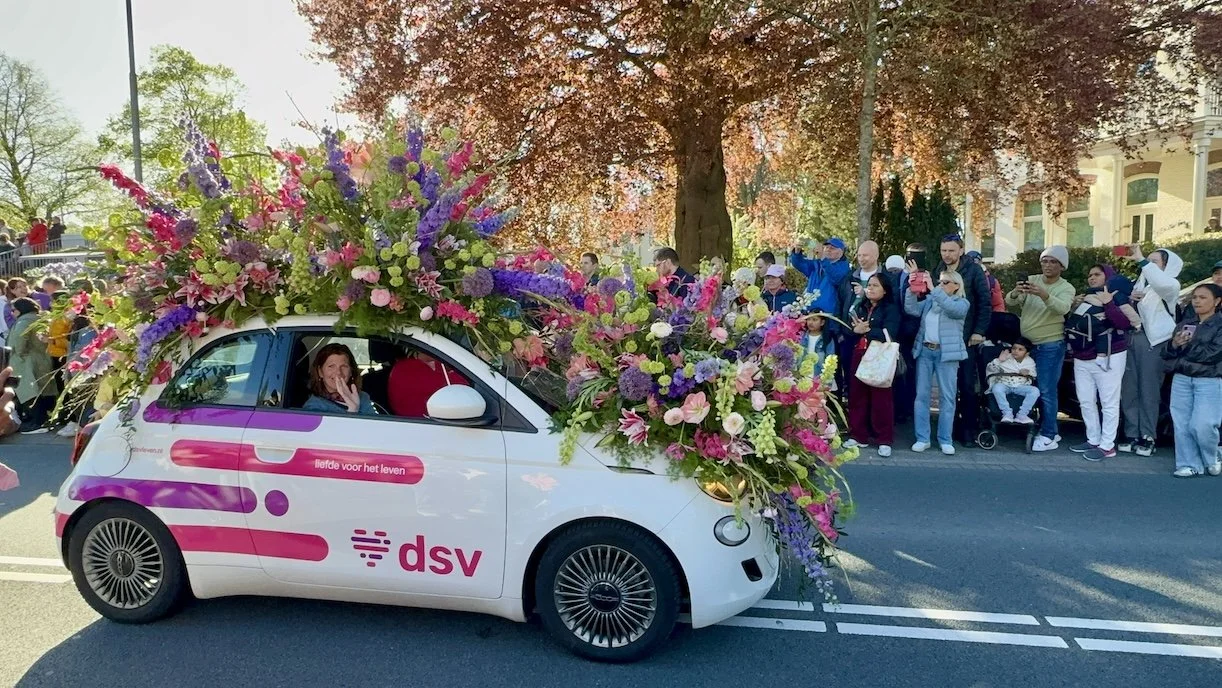
Despite being two hours ahead of the parade passing through, crowds were beginning to gather and the atmosphere was electric! We didn’t have tickets for the grandstand, but decided to base ourselves close by, perching on the edge of the curb hoping for a good view. It’s a good job we found a spot when we did, as any gaps around us were soon filled with revellers, eagerly awaiting the parade’s arrival alongside us.
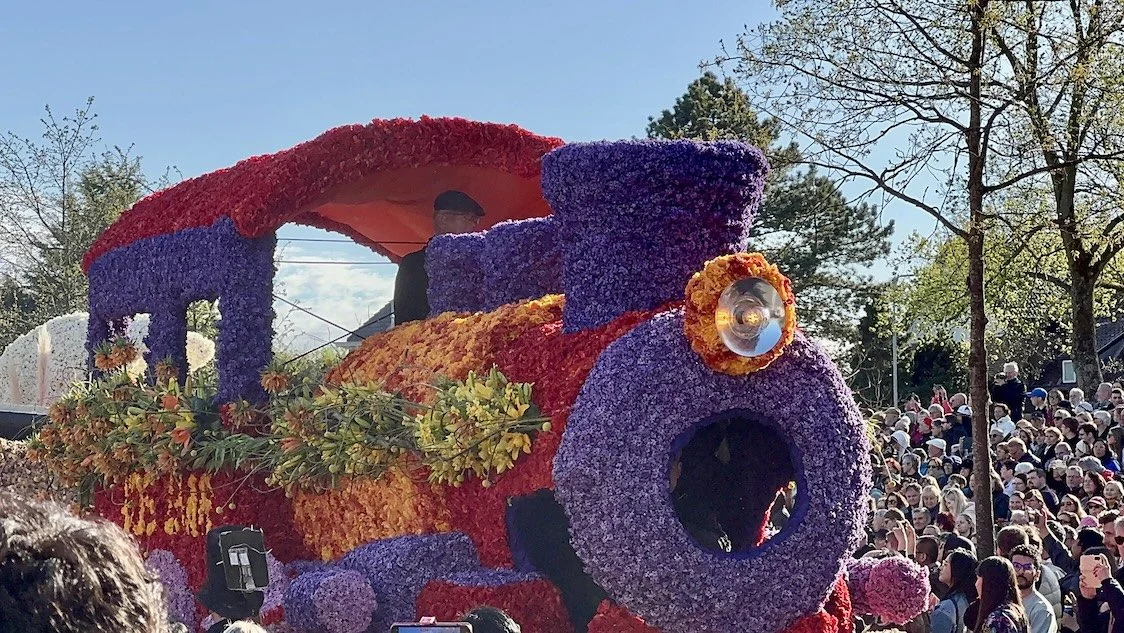
We could hear it and smell it before the first float reached us. The floral scents and marching band tunes were carried by the light breeze, making for a full sensory experience. Following close behind were floats, cars, trucks and bikes — all densely and creatively decorated with millions of flowers. The crowds were clapping, singing, dancing and waving, and the smiles were infectious.
We never intended on visiting the event, but we’re so glad we did!
Top Tip: If you don’t have grandstand tickets, arrive well in advance of the parade time to ensure a good view. People travel from all over the country—even the world—to witness it, so crowds begin to gather hours before kick-off.
Explore Traditional Dutch Windmills
Much like tulips, windmills are a classic symbol of Dutch heritage and can be seen scattered all over The Netherlands. But to really learn about their significance, a trip to Werelderfgoed Kinderdijk is a must!
This UNESCO World Heritage Site is home to not 1… not 2… but 19 traditional Dutch windmills, dating back hundreds of years. We couldn’t wait to see them in all their glory.
Parking at the visitors centre under sunny skies, we could already see the row of windmills lining the canal. The cycle and pedestrian paths running alongside it are open to the public, so you don’t need a ticket to go for a wander, but it’s worth purchasing one so you can access the museums, old pumping station, and take a boat ride. We did exactly that, starting with the boat trip!
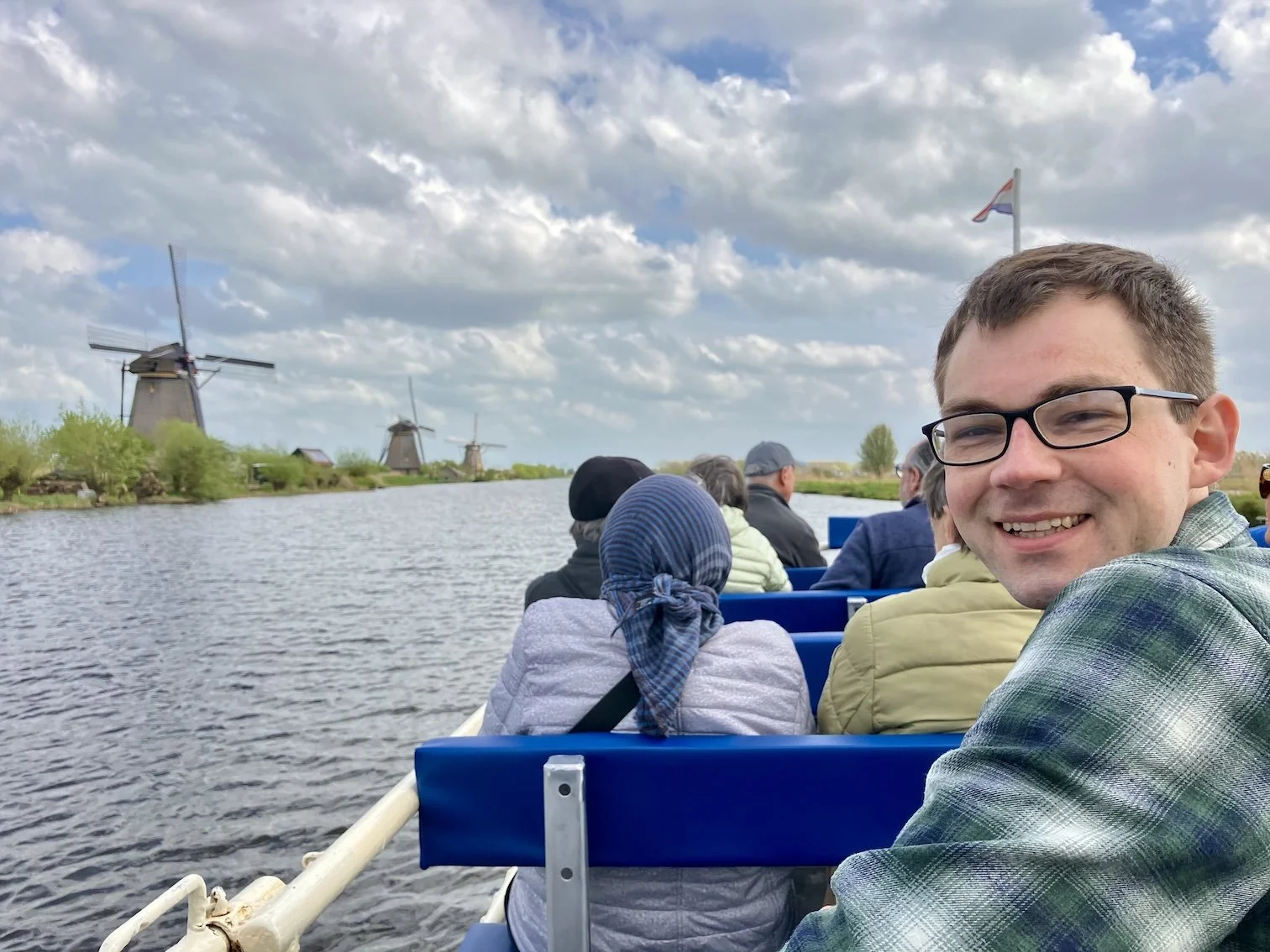
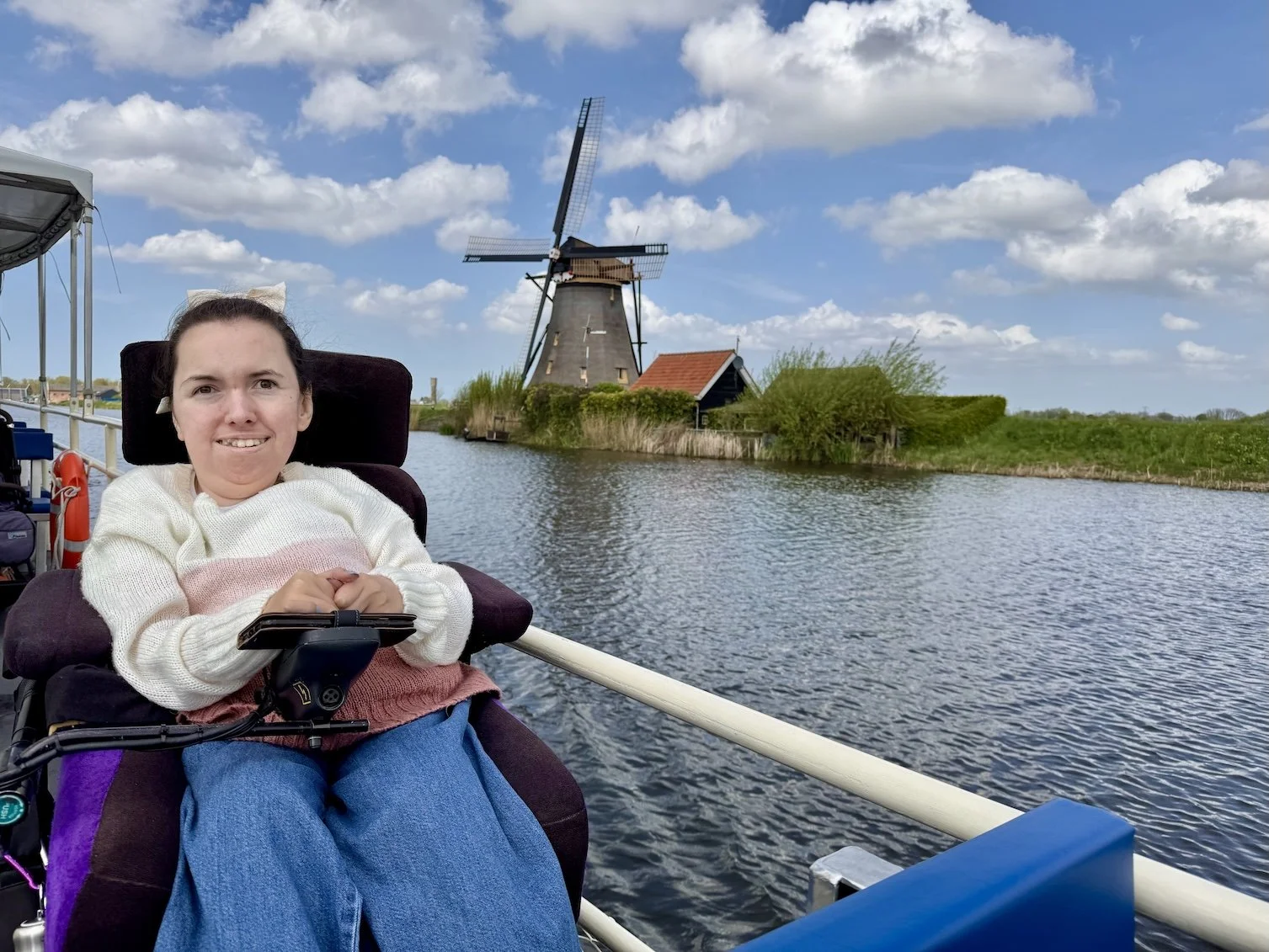
Deciding on a 30-minute round trip (as opposed to the “hopper” which stops at various points along the water), we boarded seamlessly, before settling sail — The warmth of sunshine combining with the steady hum of the boat to make for a relaxing ride. We looked on in awe as we passed each windmill, their fabric-covered blades whooshing with every rotation. Along the way we learnt that most of them are still inhabited to this day, with the remaining 2 open to visitors to look around.
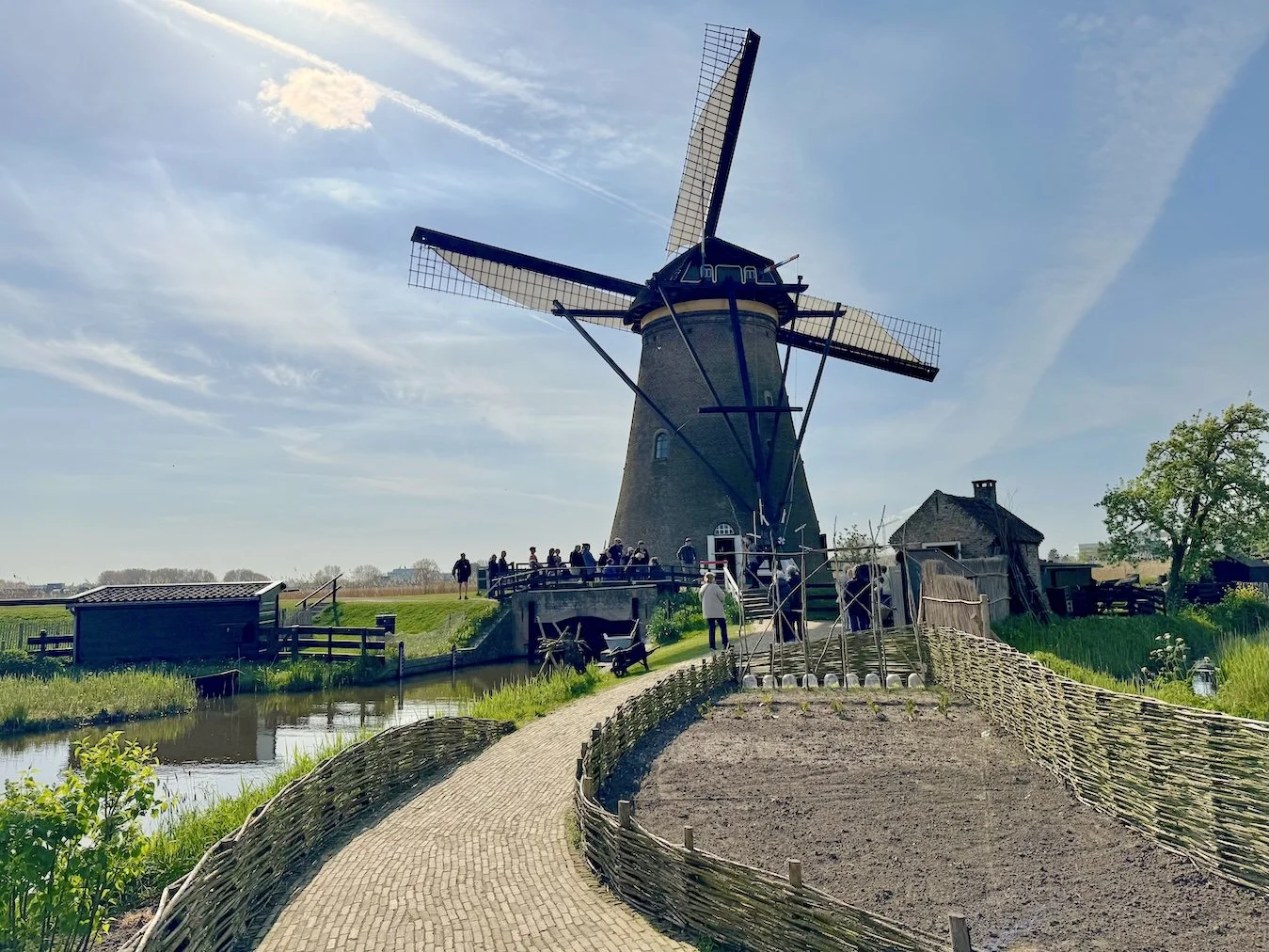
Back on dry land, we learnt even more in the museums and cinema room, before ending our visit with a stroll along the canal to see one of the museum mills up close. While I couldn’t go inside for obvious, accessibility reasons, I’ll never forget how it felt to be sitting beneath its ginormous blades, as they casted long, drawn out, spinning shadows on the ground.
Wheelchair Accessibility at Kinderdijk UNESCO World Heritage Site
I found the accessibility at Kinderdijk generally very good, but there are a few things to be aware of:
Parking was a concern, as there’s only a very small car park (maybe 20 spaces) at the visitors centre, and none of them are designated for disabled people. It’s simply done on a first-come, first-serve basis. Luckily we caught the very last available space, but if it was full, the next recommended car park is 4 miles away, and connected by a shuttle bus that didn’t appear to be wheelchair accessible. I also found the toilet in the visitor centre too small for my needs, but I can’t comment on the other toilet facilities.
On the plus side, disabled visitors pay a reduced entrance fee, and an accompanying carer can enter for free. There is a stair lift to the observation deck, and getting around the site in a wheelchair was a breeze as it’s all flat, including the museums. It is a large site, so there are some wheelchairs available to borrow if you struggle walking longer distances. The boat was super easy to access in a wheelchair too. I simply rolled on and off via a shallow threshold ramp. The only place I couldn’t access was the museum mills, which is completely understandable for such narrow, old structures.
We also found the staff extremely friendly and helpful, which helped to make our visit a highlight of our trip!
Is The Netherlands Good for Wheelchair Access?
Aside from the few accessible toilets we encountered being on the small side, I would say that The Netherlands is probably one of the most wheelchair-friendly countries we’ve ever encountered. This is partly because of its naturally flat landscape and love of cycling infrastructure, but also because of the friendly, welcoming and helpful people who live there.
It’s a country that has so much to offer, and we already can’t wait to go back!